
If America resembles the fall of Rome, spectacular and vulgar, then Europe is reliving the slow death of Venice. One empire collapses in flames, the other sinks in silence. One is consumed by fire, the other lost in fog.
Today the whole of Europe risks turning into one big Venice. A beautiful open-air museum, a great destination for Chinese and American tourists, a place to admire what was once the centre of the world. (Rutger Bregman, 2025 Reith Lectures, Episode 1, A Time of Monsters)
Britain has more horses than tanks! Quaint not powerful. The Brits do well with pomp and ceremony, it’s everything else that is the problem. (The Economist Insider)
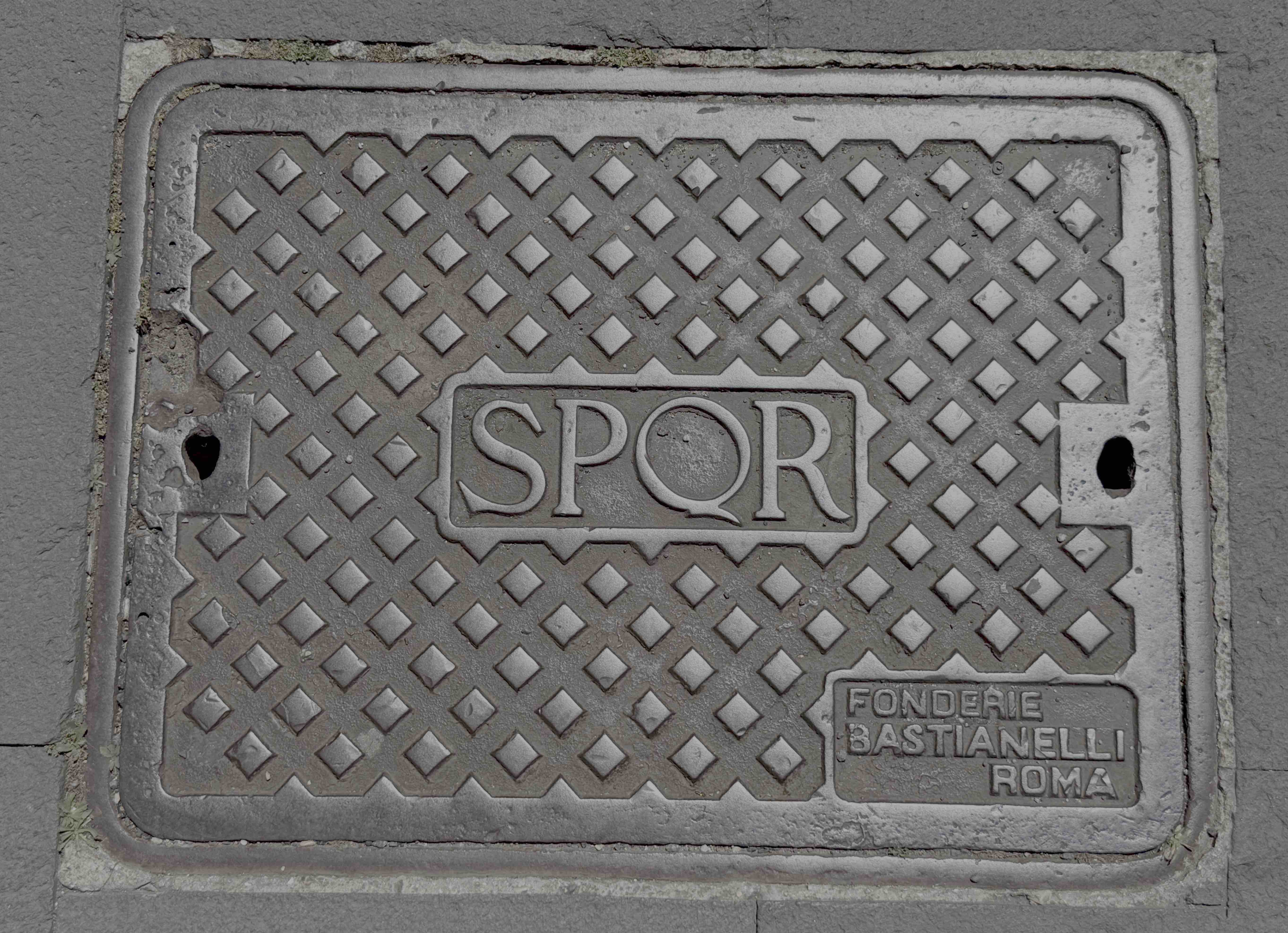
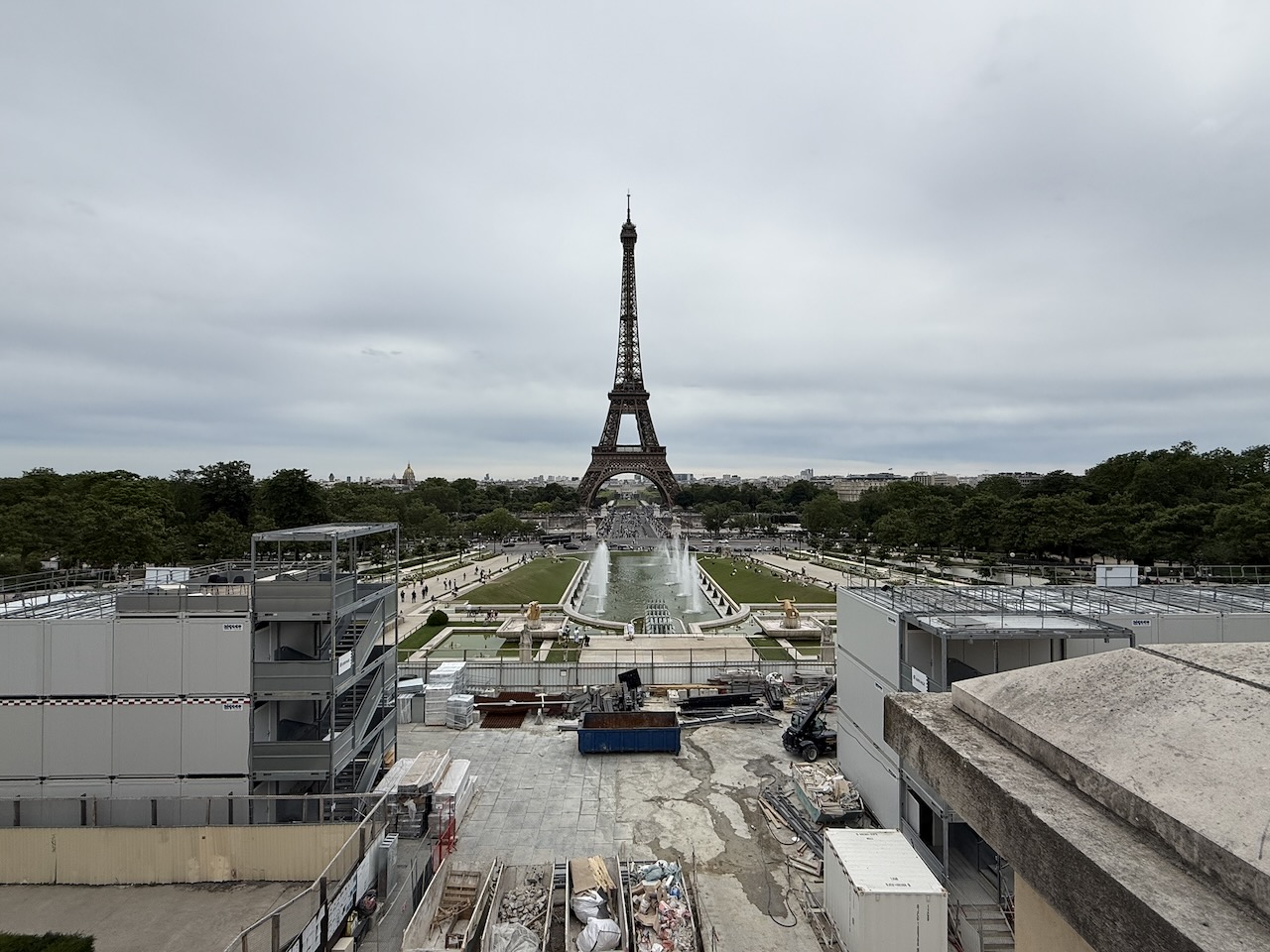
I last visited Athens in 2023, Rome in 2025 and just recently Paris in 2026. And I spend a significant part of my time in London.
Each time I return to Europe from Australia a number of things strike me.
Firstly - Europe does "Museum" really really well - and the Brits 'pomp and ceremony'.
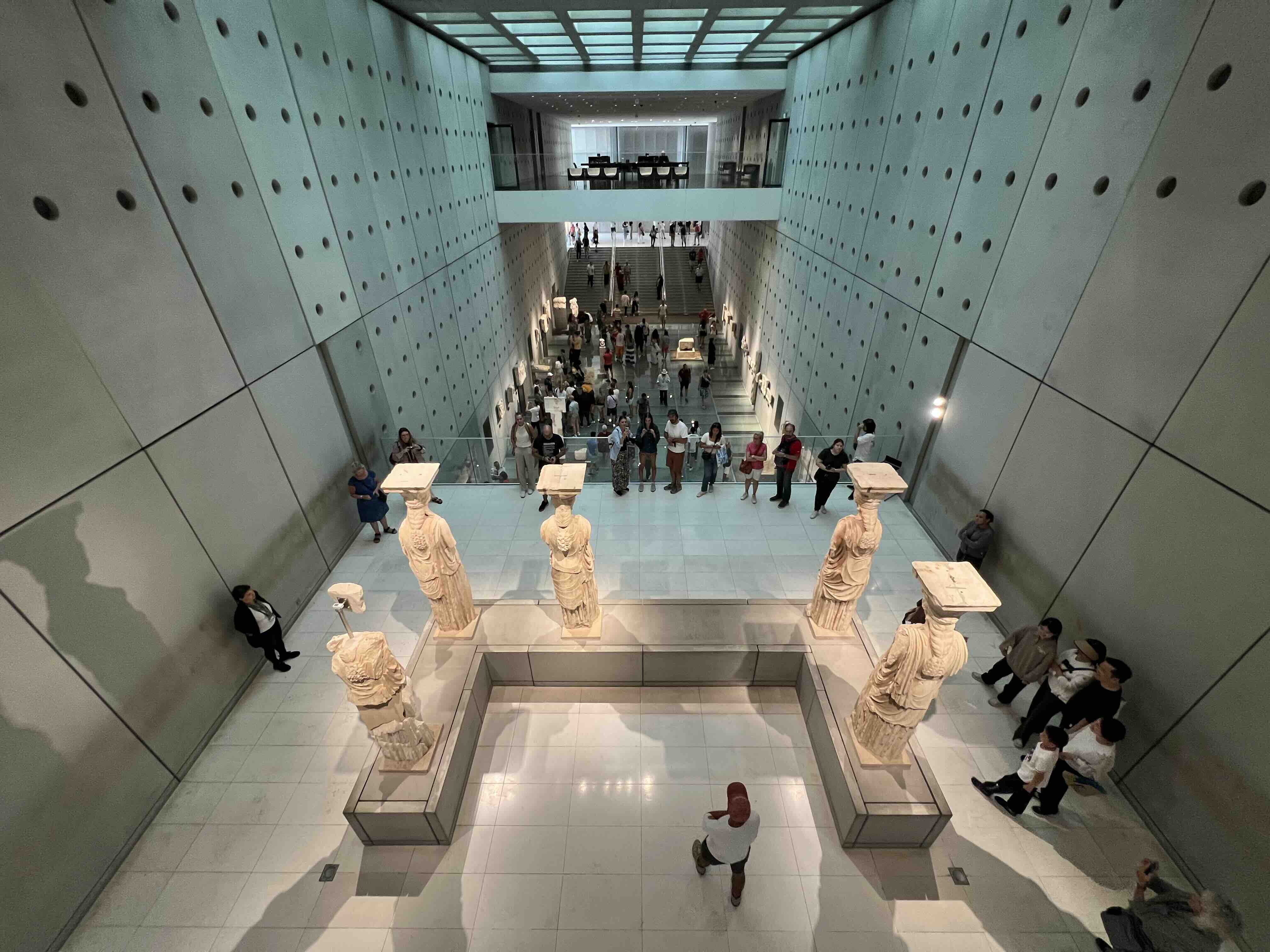
As illustrated below in Athens the Parthenon Museum blends modern and ancient beautifully as they patiently await the return of the Elgin Marbles.
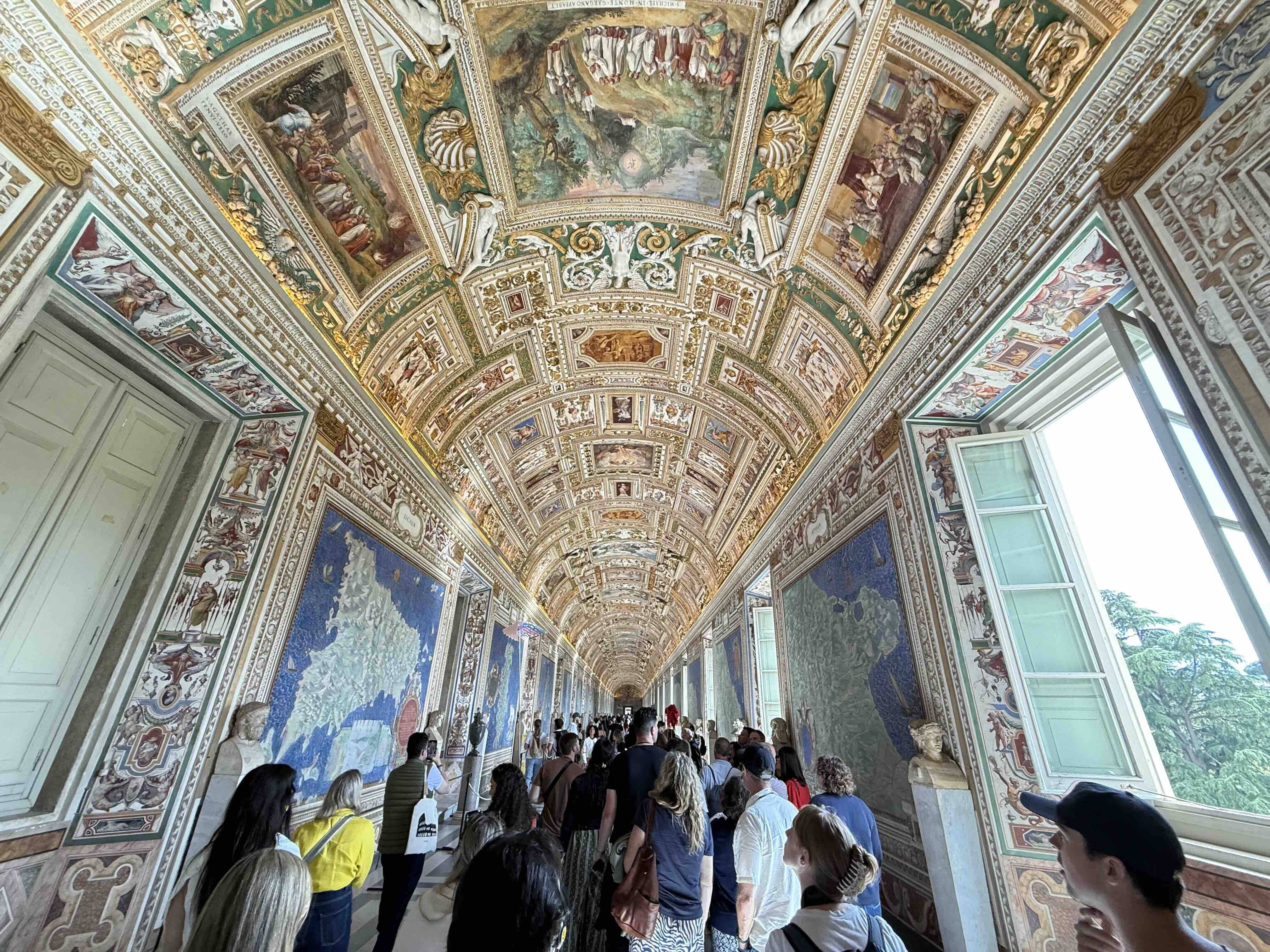
Secondly, the integration of the ancient history with everyday life and the proud heritage is everywhere.
Thirdly, there are just so many people crawling around all of the main tourist sites that, to be honest, visiting is really just not that much fun, especially for someone who's had the luxury of doing so years ago when the crowds were smaller, the access to major exhibits much easier, and no one had mobile phones taking pictures of everything - mea culpa I admit.
This necessitates a willingness to invest through constant maintenance and public funding on the part of governments in order to both preserve the golden geese who attract the tourists as well as maintain the historical links which are so much a part of cultural identities.
I have mused on this a lot over the past few years particularly as the power dynamics in global politics change and the impacts of global capitalism and its demands for growth mean that the environmental consequences become increasingly obvious.
Throughout human history we Homo Sapiens have modified and adapted our physical spaces to suit our needs. We have shaped it, and it has, in turn, shaped us.
Some of the earliest examples, such as the Boxgrove site, the Brewarina fish traps and the Theopetra Cave, exhibit deliberate environmental modification for the purpose of survival as the climate changed.
But as the climate continues to change so our built environment, largely created with concrete and stone - fundamental building blocks over the ages - is now increasingly unsuitable as extreme weather Heat Domes turn cities into Heat Islands.
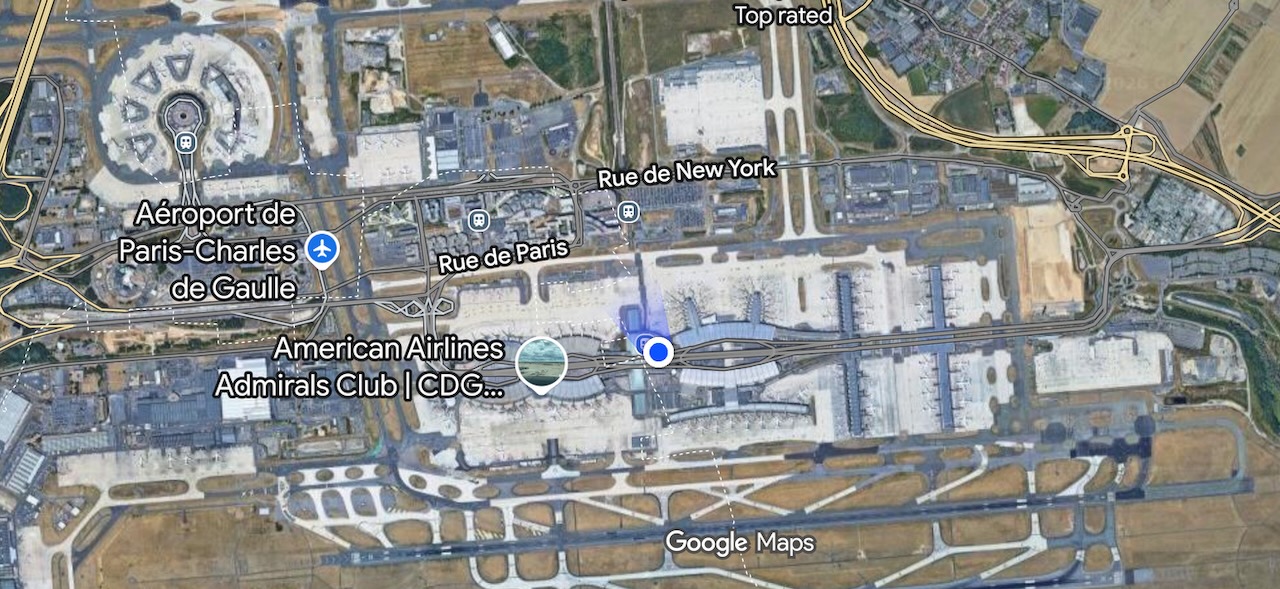
Regardless of the views of climate sceptics the facts are that our environments are changing:
· Europe has just recorded it's warmest decade
· Sydney has 50 days more 'summer' than it did in the 1990s
· Sea level rising has accelerated, and
· there are concerns that the AMOC (the Atlantic Meridian Ocean Current) may be slowing down which will have dramatic consequences.
The warnings have been there since the Club of Rome in 1968 and governments are beginning to prepare for a warmer planet (assuming the AMOC doesn't collapse too quickly). But these preparations are woefully in adequate and sometimes blindingly stupid - like the recent UK report calling for widespread air conditioning. Whilst we are going to need to modify our living conditions leaping to air conditioning without first promoting more passive solutions is foolish - they are themselves part of the problem.
Even in Australia where we are used to intense and dramatically changing weather conditions we are stupid in our urban construction building houses cheek-by-jowel with black roofs and insufficient green space.

The changes to our climate are not just a matter of science - they are political, and are based on how we see ourselves in relation to our natural environment.
What I see when I come to Europe is an environment that has been crafted and sculpted for millennia with forests 'defined', rivers redirected with weirs and locks, and fields ploughed.
In The Earth Transformed Peter Frankopan states that:
Fernand Braudel put it, the study of the past does not just involve the competition between humans and nature; it is the competition between humans and nature. ...
Reintegrating human and natural history is not just a worthwhile exercise; it is fundamentally important if we are to understand the world around us properly. (Peter Frankopan)
We began this competition thousands of years ago creating the Age of the Anthropocene and our own disconnection between the land and ourselves.
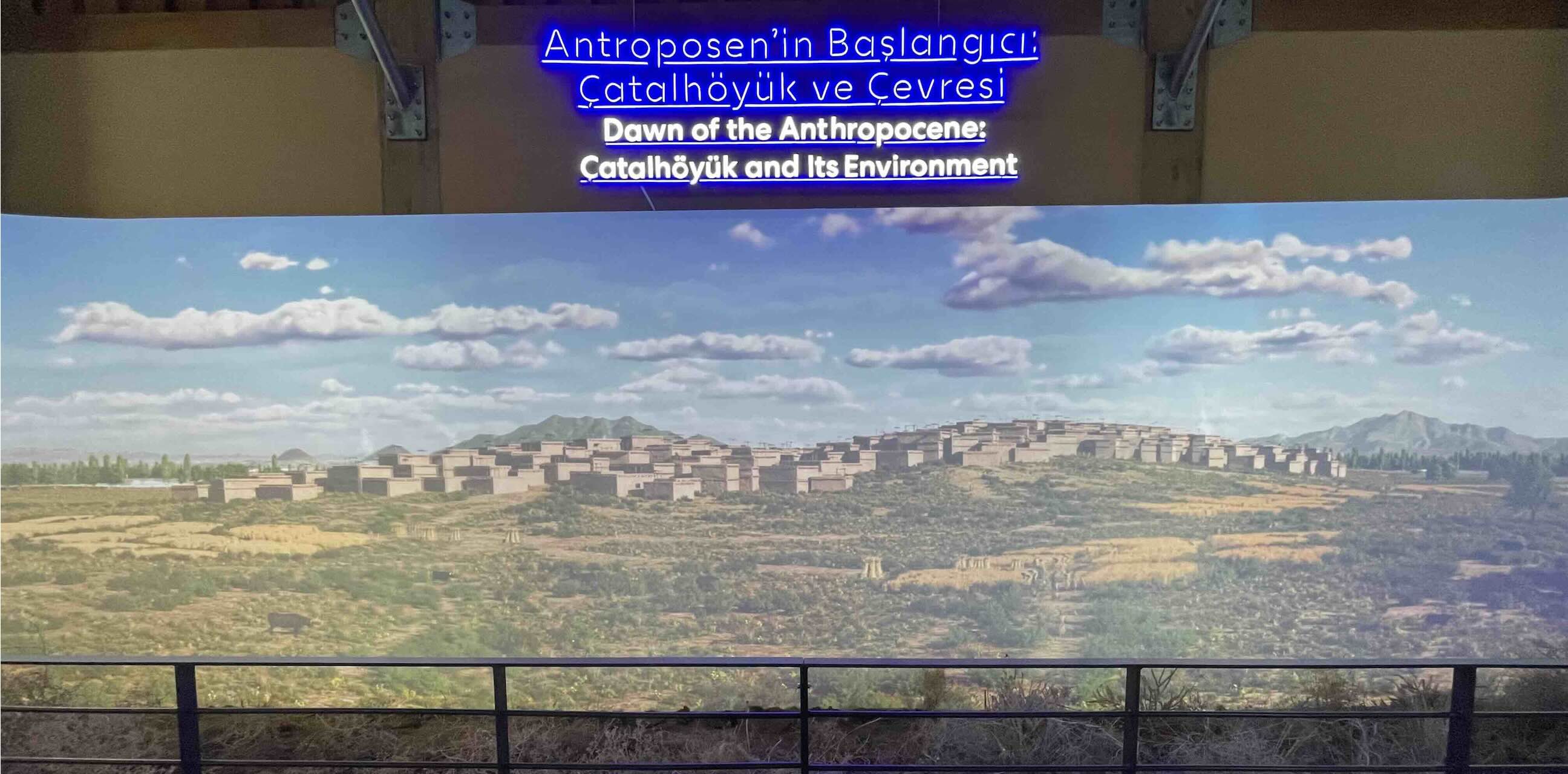
As some of our cities become unlivable there are signs that we are beginning to appreciate that we need to work with not against the natural world and to appreciate that our best chances of adapting will be to see ourselves as a part of nature, not separate from it.
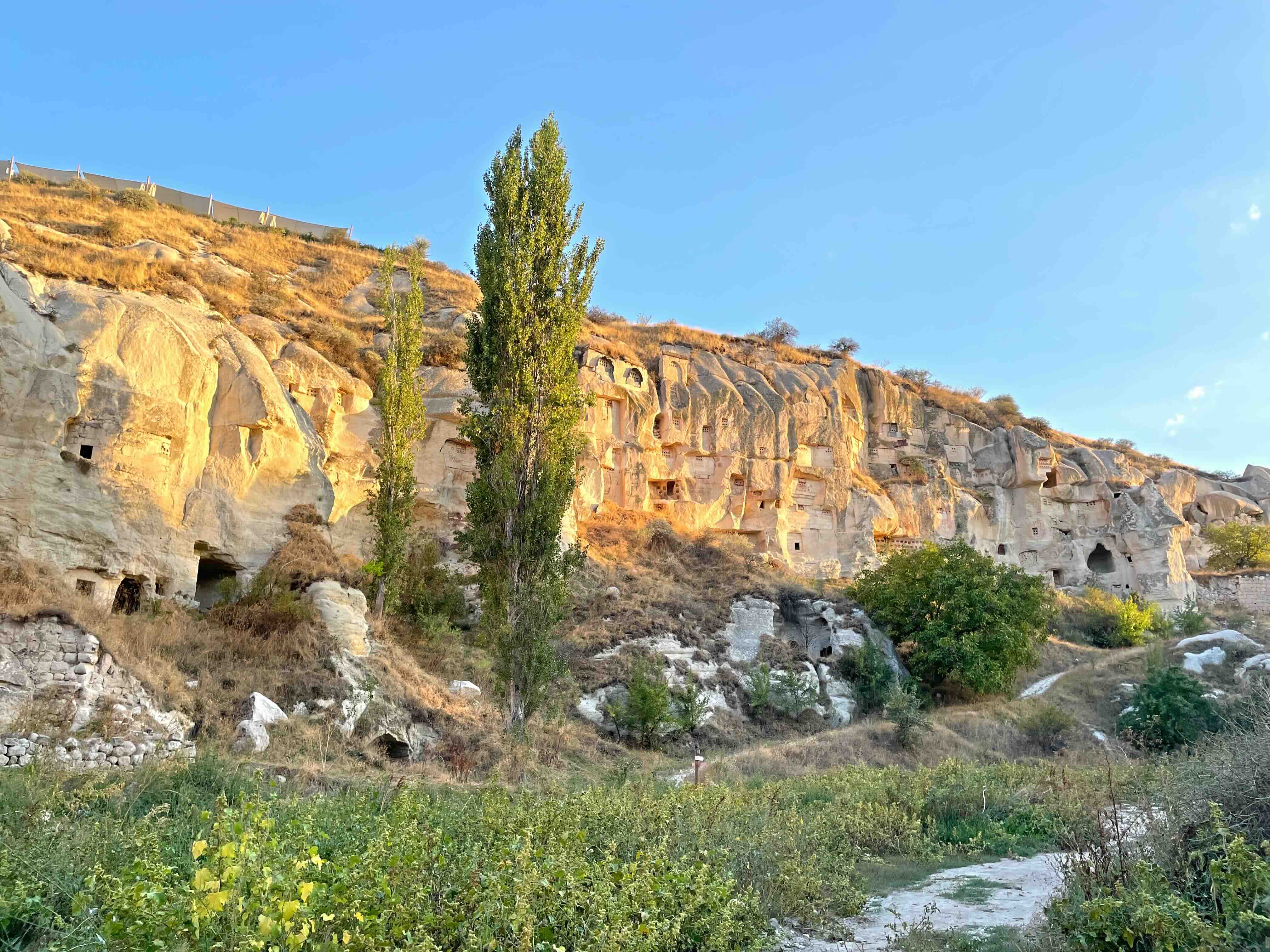
Everything is contextual and everything is contingent. (Ali Ansari – Empire Podcast)
Everything is interconnected and everything is co-dependent.
What strikes me is that we need new stories to describe how we see ourselves. We are in the midst of what some are calling a Polycrisis of global risks with four converging waves:
Wave 1: Geo-economic Confrontation evidenced by fraying alliances and intense competition
Wave 2: Technological Disruption (AI and Misinformation) which is impacting societal cohesion
Wave 3: Economic Instability Downturn and Debt) evidenced by inflationary pressures and volatile markets
Wave 4: Environmental Tipping points evidenced by extreme weather and a failure to manage environmental impacts
We can either see this as a 'crisis' or we can see it as an opportunity. We can tell ourselves the world is doomed, or we can see the 21st Century as a time of creating things anew.
It’s not because the world is empty or collapsing. Our stories are exhausted. The stories we have told ourselves up to now are not doing their job of rendering the world legible or intelligible. Storytellers need to invent new ones.
With all of our resources we are in an amazing age to be politically creative again. (Rana Dasgupta)
We can either continue down the path we have travelled for the past few thousand years where we justify spending $33.5 billion on one senseless war and losing millions of lives in another, or we determine that our human ingenuity and innovation can help us invent new systems and politics as well as new tools and technologies.
This is what I believe we are going to have to do in order to adapt building on what we do best.
The concept of IQ was developed for a particular world - it measures a set of cognitive abilities that leads to success that have come to dominate in the 20C world (the Flynn effect).
What’s required in an AI world will require different types of intelligence not measured by an IQ Test or probably anything we currently know. Minds for the new world might be completely different. (Joseph Henrich on Dwarkish)
Many people have been drawing on the lessons of history to illustrate how we have adapted before, and some, like HM King Charles III of the United Kingdom, have been ahead of their time.
It's time we listened to them.

Creative Commons CC BY-NC-SA: This license allows reusers to distribute, remix, adapt, and build upon the material in any medium or format for noncommercial purposes only, and only so long as attribution is given to the creator. If you remix, adapt, or build upon the material, you must license the modified material under identical terms.
CC BY-NC-SA includes the following elements:
BY

– Credit must be given to the creator
NC

– Only noncommercial uses of the work are permitted
SA

- Adaptations must be shared under the same terms

